
Cleaning the outside of a home seems like a large task, but it can actually be fairly simple if you use the right tools and techniques. While keeping the interior of your house clean may feel second nature, tackling the exterior can feel like a massive undertaking. However, maintaining your siding, roof, windows, and more isn’t just about curb appeal. It ensures the health, longevity, and safety of your home’s structure. With the right approach, exterior house cleaning can be easy, effective, and rewarding.
Why Clean the Outside of Your House?
Think about the elements your home faces every day. Rain, pollen, dust, mildew, fallen leaves, and pests all contribute to the gradual buildup of grime. Over time, these can damage the surfaces of your home and lead to expensive repairs. Your home’s exterior is constantly under siege from the elements. Wind can blow dust and dirt that accumulates on siding and shutters. Rainwater can carry pollutants and organic debris from your roof to your gutters. In shaded areas, mold and mildew can thrive unnoticed. Cobwebs form under eaves, and metal features like railings begin to show signs of rust. Without regular cleaning, this collection of contaminants not only spoils your home’s aesthetic but can also lead to deterioration.
Maintaining a clean exterior doesn’t just improve curb appeal. It also extends the lifespan of critical components of your home. Mold and mildew can slowly eat away at siding. Leaves in gutters can cause water to back up into your roof. Algae on roofing can damage shingles. Keeping everything clean helps you spot needed repairs before they become costly problems. Cleaning the exterior also improves air quality around your home by reducing allergens like mold spores and pollen.
Cleaning your home’s exterior removes:
- Mold and mildew
- Clogged debris from gutters
- Pests and spider webs
- Dirt buildup that hides needed repairs
- Algae, moss, and discoloration
It’s about protecting your investment. Homeowners in Charlotte face seasonal shifts in humidity and temperature, which can make dirt, moisture, and mildew especially persistent. Regular exterior cleaning not only keeps your property looking great but also prevents long-term damage that could affect your property value. You may even find that your heating and cooling systems perform better when vents and outlets remain free of debris.
Regular maintenance also boosts your peace of mind. You won’t have to worry about surprise repairs caused by buildup or unnoticed wear and tear. When the outside of your house looks great, it reflects the care and pride you put into your living space. Whether you’re prepping your house for sale, entertaining guests, or simply enjoying a quiet evening on the porch, a clean exterior sets the right tone.
So while it may seem like an optional chore, cleaning the outside of your house is just as important as cleaning the inside. In fact, it’s often the first step to protecting everything inside. Exterior house cleaning is not just about aesthetics—it’s a crucial part of overall home maintenance.
Prepping for Exterior Cleaning
Before beginning any cleaning on the outside of your house, it’s essential to take the proper preparatory steps. This not only ensures better results but also prevents damage to surfaces and safeguards your plants, fixtures, and family members. Just like painting a room or cleaning your carpet, success lies in the setup.
Start by picking the right day. Ideally, choose a warm, dry day for exterior house cleaning. Cleaning on a windy day is not advised, as water and cleaning agents can blow back on you or spread to areas you didn’t intend to wash. Also, avoid freezing temperatures, which could cause water to freeze on surfaces and create slipping hazards. Spring and fall are ideal seasons—after the pollen wave and before the winter freeze.
Next, focus on protecting the areas around your house. Begin by ensuring that all windows and doors are fully closed. Use duct tape or painter’s tape and plastic sheeting to seal off any light fixtures, outdoor outlets, doorbell buttons, or ventilation covers. This step is particularly important if you’re planning to use a pressure washer or strong detergent. Moisture getting into these fixtures can cause electrical issues or water damage.
Move all lawn furniture, grills, bikes, and gardening tools at least 6 to 10 feet away from your cleaning zone. Not only does this protect your belongings from spray or detergent, but it also clears your work area, preventing trips and stumbles while you’re focused on spraying or scrubbing. If you have delicate plants or flower beds next to your home’s foundation, cover them with lightweight plastic tarps. Then, gently spray them down with water before covering—this helps insulate them and reduces the risk of chemical absorption.
Now inspect your home’s surfaces. Look for heavily stained areas, mold patches, or cobwebs. Check for cracks in stucco, loose siding panels, chipped paint, or broken gutter sections. These should be repaired before you start spraying water at high pressure or applying detergent. If you ignore damage beforehand, you may end up making it worse during cleaning. A thorough pre-clean inspection will also help you identify which parts of your home may need extra attention or a different cleaning approach.
You can begin spot-cleaning by using a mild dish soap and water mixture applied with a sponge or soft-bristled brush. For mildew or mold, create a stronger solution using one gallon (3.8 L) of water, one-quarter pound of oxygen bleach powder, and one-eighth cup of dishwashing liquid. Apply it using a brush, scrub gently, and allow it to sit for a few minutes before rinsing. Be cautious while handling bleach—even oxygen bleach. Always wear eye protection, gloves, and work in well-ventilated conditions.
Also, think about safety—especially if you’ll be using a pressure washer or working at heights. Ensure that ladders are placed on stable, level ground. Use a ladder stabilizer or have someone assist you if needed. Don’t climb with cleaning tools in hand; use tool belts or pouches. And if your house is two stories or taller, consider investing in or renting extension tools or hiring a professional for the upper areas.
Lastly, take a moment to prepare yourself and any helpers. Wear waterproof shoes or boots with non-slip soles. Long sleeves, rubber gloves, and eye protection are recommended. If you’re sensitive to noise, wear hearing protection when using powered washers. Keep pets and children indoors while you work.
Proper preparation is half the battle. By taking the time to shield fixtures, protect landscaping, check your home’s surfaces, and ready your tools and team, you’ll set yourself up for a safe, effective, and hassle-free exterior cleaning experience.
Tools and Materials You’ll Need
Getting ready for a deep clean starts with having the right tools and supplies. Whether you’re pressure washing vinyl siding or gently wiping down exterior light fixtures, the materials you use can determine your success. The good news? Most of what you need is readily available at your local hardware store in Charlotte or online, and many items may already be in your garage.
Let’s begin by understanding what tools are commonly used, what surfaces they’re good for, and what alternatives exist for delicate materials.
Common Tools and Their Uses
| Tool | Purpose | Ideal For |
| Garden Hose | Rinsing surfaces, general dirt removal | All surfaces |
| Hose-End Sprayer | Applying detergent, algae/mold cleaners | Siding, roofing, patio |
| Pressure Washer | Deep cleaning, tough grime removal | Vinyl siding, brick, driveways |
| Scrub Brush | Manual cleaning for spot areas | Mold, mildew, delicate trims |
| Extension Pole | Reaching upper stories and eaves | Cobwebs, windows, gutters |
| Foam Paintbrush | Cleaning inside light fixtures | Fixtures, lanterns |
| Microfiber Cloth | Polishing, wiping down surfaces | Metal features, window frames |
When cleaning different areas of your home’s exterior, match your tools wisely. For example, using a high PSI pressure washer on a delicate wood surface can cause permanent damage. Always start with the gentlest tool and work your way up if the dirt persists.
Cleaning Agents and Detergents
- Wet & Forget Xtreme Reach Hose End: Ideal for spraying mold and mildew off siding and roofs. It attaches to a standard garden hose and can reach up to 30 feet.
- Corte Clean: Best for vinyl siding and decks, this cleaner removes embedded stains and revives color without harsh bleach.
- Oxygen Bleach Solution: Combine oxygen bleach, warm water, and dish soap for an effective mildew removal mixture.
- Vinegar & Water (1:1 Ratio): Great for cleaning windows naturally.
- Rust Remover: For metal surfaces that show corrosion, use a non-acidic formula.
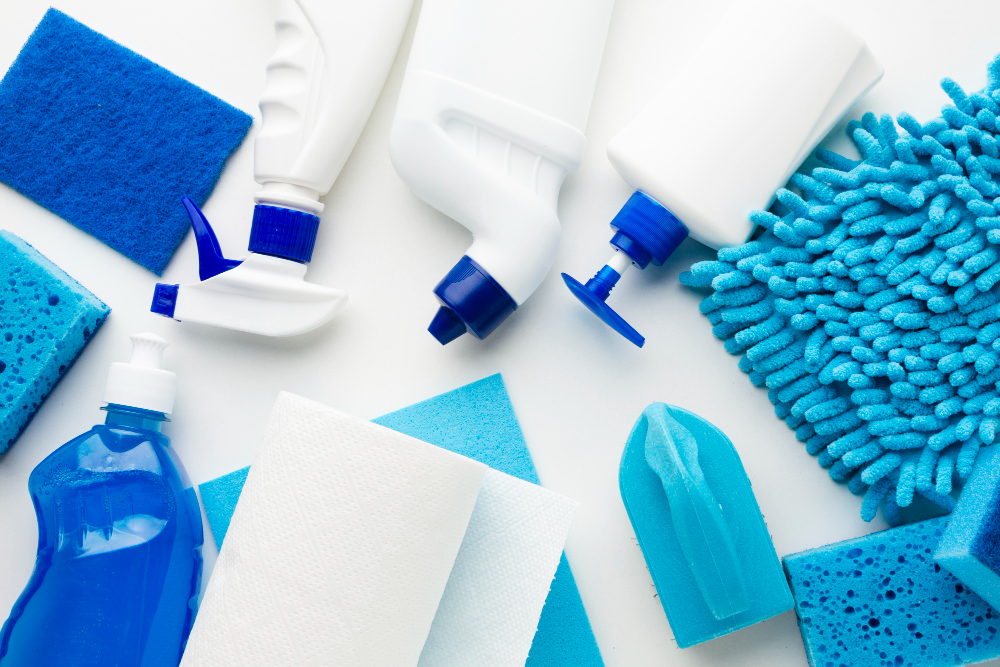
Safety Equipment Checklist
- Safety goggles
- Rubber gloves
- Hearing protection (for pressure washer use)
- Non-slip waterproof boots
- Ladder stabilizers for working at heights
- Plastic sheeting and duct tape for outlet and fixture protection
Local Tip for Charlotte Residents
With Charlotte’s variable climate and humid summers, local homeowners benefit from stocking mold-resistant solutions like Wet & Forget and mildew-resistant paints for touch-ups after cleaning. Home improvement stores like Lowe’s on South Boulevard or The Home Depot near Pineville often carry these specialized products. Some neighborhood hardware stores even offer rental pressure washers and ladders by the hour.
Question-Based Tips
What tools are best for cleaning high places like gutters and second-story siding?
Use telescoping poles and hose-end sprayers that extend over 30 feet. Avoid standing on ladders with equipment in hand. Some tools come with swivel heads that let you change direction without repositioning.
Can I use the same cleaner on siding and pavement?
Not always. Siding typically needs a gentler solution like Corte Clean, while driveways may require degreasers. Always check product labels to avoid damage.
What should I use to clean windows without leaving streaks?
Use a vinegar and warm water mix with a newspaper or lint-free cloth. You can also find commercial squeegee kits for better reach and finish.
Having the right tools doesn’t just make the job easier—it makes it safer and more effective. Equipped with knowledge and supplies, you’ll be ready to tackle the next stage: surface-by-surface exterior cleaning.
Cleaning by Surface
When it comes to exterior house cleaning, not every surface is the same. Each section of your home’s exterior—from the roof down to the driveway—faces different types of exposure and grime. That’s why it’s essential to break your cleaning routine down by surface and apply techniques that are effective and safe for each area. Below is a detailed guide for cleaning every major section of your home’s exterior efficiently.
Roof Cleaning
Start from the top. Your roof is exposed to the most extreme weather—sun, rain, wind, and snow. Over time, mold, moss, and algae can build up, especially in shaded areas. A professional roof inspection is recommended if you haven’t had one in over a year. Costs vary depending on size but typically range from $75 to $800.

You can use a roof-specific cleaner or hose-end sprayer to remove debris. Wet & Forget Xtreme Reach is an excellent choice because it connects to your garden hose and sprays up to 30 feet. This allows you to apply the solution safely from the ground. Do not use high-pressure washers unless specified safe by your roofing material guidelines.
Gutters Cleaning
Clogged gutters can lead to water backup, roof leaks, and even foundation damage. Begin by using a sturdy ladder with a stabilizer. Scoop out leaves and debris into a bucket or trash bag. Then, use a garden hose to test the flow. If there’s a blockage, use a straightened coat hanger or a plumber’s snake.
If heights are a concern, hiring a professional in Charlotte for gutter cleaning typically costs around $160. You can also invest in gutter-cleaning attachments for telescoping poles to do the job from the ground.
Siding Cleaning
Your home’s siding collects dust, cobwebs, and airborne pollutants. Here’s how to handle various siding materials:
- Vinyl: Use a medium to heavy-duty pressure washer with a 40-degree nozzle (1900–2800 PSI). Apply Corte Clean to dislodge embedded dirt.
- Brick: Pre-wet the surface, patch any mortar cracks, and scrub gently with a soft brush. Avoid soaking the brick too long to prevent water absorption.
- Stucco: Use a 45-degree spray at a 24-inch distance. Patch cracks beforehand and use a mildew remover for stains.
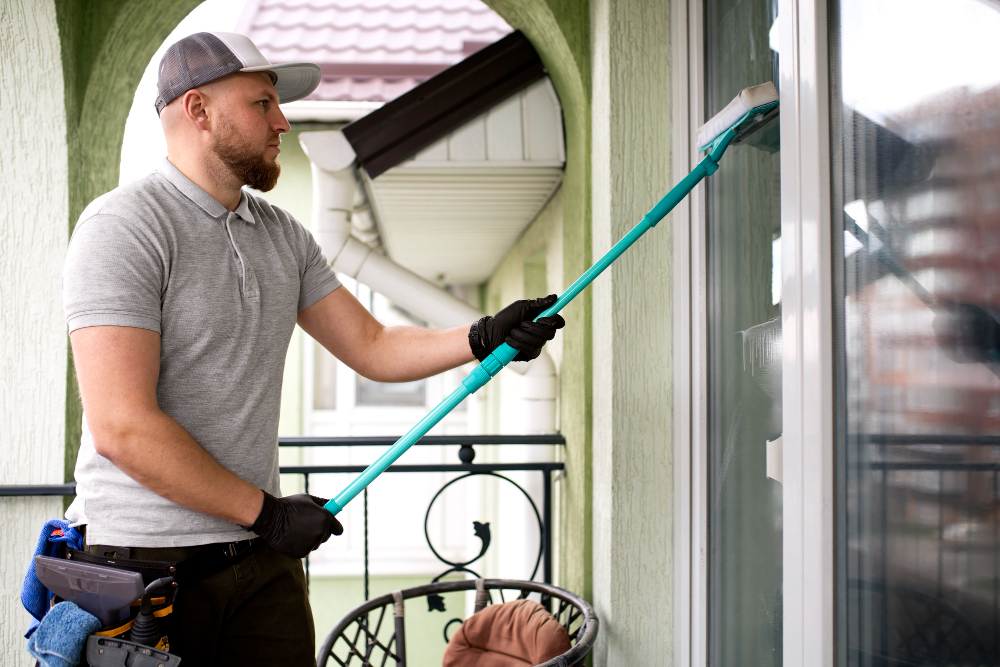
Always start by spraying detergent from the bottom up, then rinse from the top down. Avoid spraying directly into vents or behind overlapping panels.
Windows & Shutters
For windows, use a vinegar and water solution (1:1 ratio) and newspaper or microfiber cloths to wipe. Team up with someone to clean inside and out at the same time—it speeds up the process and ensures a streak-free finish. Clean around shutters too—they’re hot spots for cobwebs and mold buildup.
Porch & Deck
Sweep off dust and debris first. Move all furniture and plant pots. Use a hose-end sprayer with oxygen bleach cleaner for mold and grime. Avoid pressure washing painted surfaces as it can strip paint. Scrub gently using a soft-bristled brush and rinse thoroughly with water.
Driveways & Sidewalks
Use a degreaser for oil or barbecue stains. Apply with a mop or sponge and let it sit before scrubbing. Then, rinse with a hose or use a surface-cleaning attachment on your pressure washer. Be cautious around cracks—high-pressure water can worsen them.
Metal Fixtures
Use a water-based, non-acidic metal cleaner on items like copper gutters, brass doorknobs, and iron railings. Apply the cleaner with a brush, let it sit, then rinse and polish using a microfiber cloth. Regular cleaning prevents tarnish and corrosion from Charlotte’s humid weather.
Question-Based Tips
How do I clean second-story surfaces safely?
Use extension poles, hose-end sprayers, or hire professionals. Avoid climbing with tools in hand. Some tools spray up to 30 feet from the ground.
Is it okay to use the same cleaner for all surfaces?
No. Use surface-specific products like Corte Clean for vinyl and degreasers for concrete. Always read product instructions.
How can I clean my porch without damaging the wood?
Use a soft brush and oxygen bleach. Avoid high-pressure water on painted or sealed wood to prevent stripping or peeling.
Every surface has its needs, and following a surface-by-surface approach ensures not only a cleaner home but one that stays in great shape season after season.
When to Use a Pressure Washer?
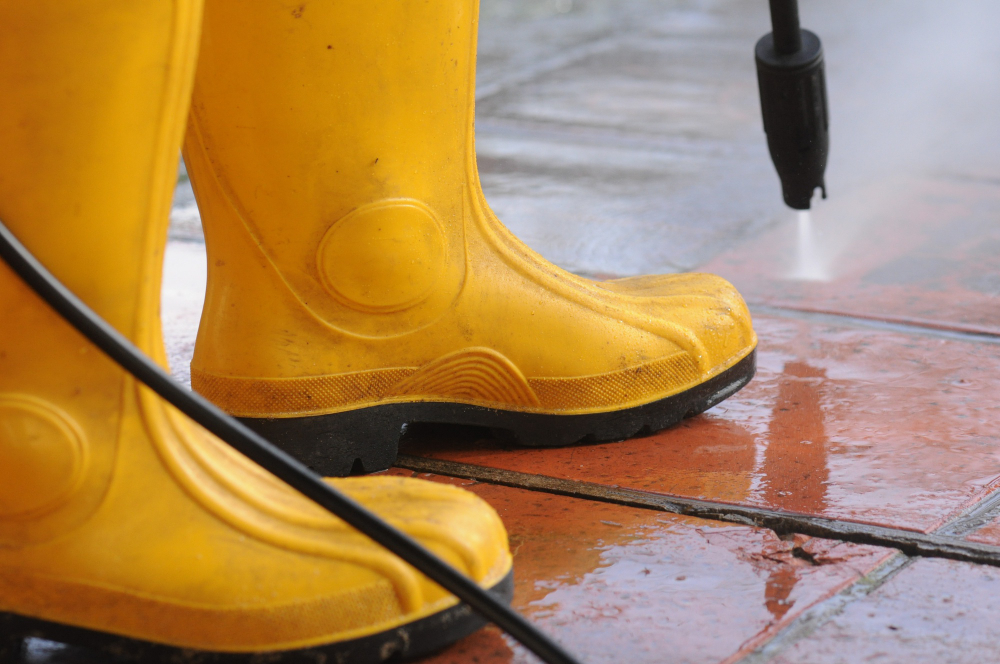
Pressure washing is one of the most effective ways to clean stubborn grime, mold, algae, and dirt from exterior surfaces. But knowing when—and when not—to use it is essential to avoid damage and achieve a deep clean. For homeowners in Charlotte, where high humidity and seasonal rains can lead to fast dirt buildup, pressure washing can help preserve your home’s beauty and value. However, not all materials are pressure washer-friendly.
Ideal Uses for Pressure Washers
Pressure washers come in various PSI (pounds per square inch) ratings, typically ranging from 1200 to over 3000 PSI. Light-duty machines are suited for tasks like cleaning cars or patio furniture, while medium- to heavy-duty washers are used for tougher jobs like siding, fences, driveways, and decks. Here’s where pressure washers work best:
- Vinyl siding: Easily blasts off dirt and mildew
- Concrete driveways and sidewalks: Removes grease and algae
- Brick exteriors: Can be cleaned safely if mortar is intact
- Fences and patios: Strips away mold, dirt, and stains
When selecting a machine, use the lowest PSI and widest spray tip that still gets the job done. A 40-degree spray nozzle is good for delicate surfaces. If needed, a 25-degree tip may be used for stubborn grime, especially on durable surfaces like unpainted concrete or brick.
Where Pressure Washing Can Be Risky
Certain areas require more caution. Painted wood, stucco, and old masonry can be damaged if hit with high-pressure water. Likewise, using too strong a detergent or the wrong spray angle can lead to moisture getting trapped behind siding or inside window seals.
Avoid pressure washing:
- Painted or sealed wood porches (may strip paint)
- Loose or cracked brick and stucco
- Windows, door seals, vents, and light fixtures
- Roof shingles (unless approved by the manufacturer)
If you’re unsure whether your surface can handle pressure washing, test a small inconspicuous area first. Alternatively, call a local Charlotte-based exterior cleaning expert for a free consultation.
Best Time of Year to Pressure Wash in Charlotte
Spring and fall are the most popular times for pressure washing. Spring removes pollen, mold, and winter residue. Fall helps prep your house before the colder months set in. Avoid extremely hot summer days when water may dry too quickly and leave streaks. Likewise, freezing winter temperatures are not safe for exterior cleaning.
Question-Based Tips
What pressure rating should I use for vinyl siding?
Use a pressure washer between 1900 and 2800 PSI with a wide-angle (40-degree) tip. Always stand at least 24 inches away from the surface.
How can I pressure wash safely without damaging anything?
- Keep spray nozzle pointed downward
- Avoid stationary spraying—move in a sweeping motion
- Never aim at people, pets, or plants
- Don’t use pressure washers near electrical outlets or fixtures
Do I need detergent when pressure washing?
Yes, especially when removing mold or mildew. Use only pressure-washer-approved detergents. Apply with a low-pressure nozzle and rinse with a higher-pressure fan tip.
Can I rent a pressure washer in Charlotte?
Absolutely. Most Lowe’s and Home Depot stores around Charlotte, like the ones on South Boulevard or University City Boulevard, offer rentals by the hour or day. You can also purchase accessories like extension wands and rotary nozzles there.
Maintenance and Cleanup
After you’ve completed pressure washing, flush the system with clean water. Drain the pump and store the washer in a dry place. Follow the manufacturer’s guidelines to ensure your machine is ready for future use.
When to Call a Professional
If you live in a multi-story home or have steep or hard-to-reach areas, consider hiring a local pressure washing service. It’s safer and often more efficient. Charlotte-based services typically offer house washes starting at $185 and go up based on home size and scope of work.
Pressure washing is a powerful tool when used properly. By understanding when and how to use it—and when not to—you’ll clean smarter, protect your home’s exterior, and keep it looking its best throughout the year.
How Often to Clean the Exterior
Establishing a proper schedule for exterior house cleaning is essential to maintain the appearance and integrity of your home. Depending on where you live, the local weather, and your property’s surroundings, you might need to clean some parts of your home more often than others. In Charlotte, NC, the humid subtropical climate means that pollen, mold, and mildew can accumulate quickly, especially during spring and summer. Planning and sticking to a routine ensures your home remains safe, attractive, and damage-free.
General Cleaning Frequency Guidelines
| Surface Area | Recommended Frequency | Notes |
| Siding | Once a year | Twice yearly if heavy mold/pollen exposure |
| Windows | Twice a year | More often if facing trees or traffic |
| Roof | Every 1–2 years | Especially after storms or in shaded areas |
| Gutters | 2–3 times per year | Spring and fall are critical cleaning times |
| Porch & Deck | Once a year | Recoat or seal if necessary afterward |
| Driveways/Sidewalks | Once or twice per year | Degrease and power wash as needed |
| Light Fixtures | Every 6 months | Cobweb removal and lens cleaning |
| Metal Fixtures | Annually | Polish and apply protective coating |
Seasonal Considerations in Charlotte
Spring is the most popular time for a full home exterior wash in Charlotte. After months of winter dormancy, layers of dust, mildew, and pollen collect on your siding and windows. Late spring, once the pollen subsides, is ideal for pressure washing and roof cleaning. Fall is the best time to clear out gutters, wash patios, and ensure there’s no buildup of leaves or moisture that could freeze and cause damage in winter.
Charlotte’s humidity also plays a significant role in how quickly mold and algae can form. If you notice green streaks or dark patches on siding or roofs, that’s often mold or mildew and requires immediate cleaning. Homeowners living under tree cover may need to clean more frequently to prevent stains and moss buildup.
Question-Based Tips
How can I create an exterior cleaning schedule?
Start with a yearly calendar and break down tasks seasonally:
- Spring: Pressure wash siding, clean windows, remove pollen, inspect roof.
- Summer: Light cleaning of windows, check for mold or algae.
- Fall: Clear gutters, sweep porches, clean patio furniture.
- Winter: Do visual inspections, spot clean light fixtures, check seals.
Do certain surfaces need more frequent cleaning?
Yes. Gutters, windows, and entryways tend to collect dirt and debris faster than other areas. Driveways near trees or with vehicle leaks may also require quarterly attention.
What signs indicate that I need to clean my house again?
Watch for these visual clues:
- Cobwebs reappearing quickly
- Water not draining properly from gutters
- Greenish stains or streaks on siding
- Reduced natural light through windows
- Slippery or stained walkways
Can cleaning too often damage surfaces?
Only if done incorrectly. Over-pressure washing or using harsh chemicals repeatedly on delicate surfaces can cause wear. Stick with gentle tools and eco-friendly cleaners for routine maintenance.
Local Tip for Charlotte Residents
Charlotte’s allergy season can coat your house in yellow pollen dust, especially if you’re near wooded areas like Myers Park or the Arboretum. Plan deep cleaning after the pollen count drops to prevent smearing and maximize results.
By setting a regular schedule and being responsive to local conditions, you’ll maintain a home exterior that looks fresh, functions well, and contributes to your property’s value. A little attention each season prevents bigger issues down the road.
DIY vs. Hiring a Pro
When it comes to cleaning the exterior of your house, you may wonder whether it’s better to handle the job yourself or hire a professional. Both approaches have their merits, and the best choice depends on your home’s size, materials, condition, and your comfort level with equipment like pressure washers and ladders. For Charlotte homeowners, where homes can range from quaint single-story bungalows to large multi-level suburban estates, the decision often hinges on safety, time, and efficiency.
Benefits of DIY Cleaning
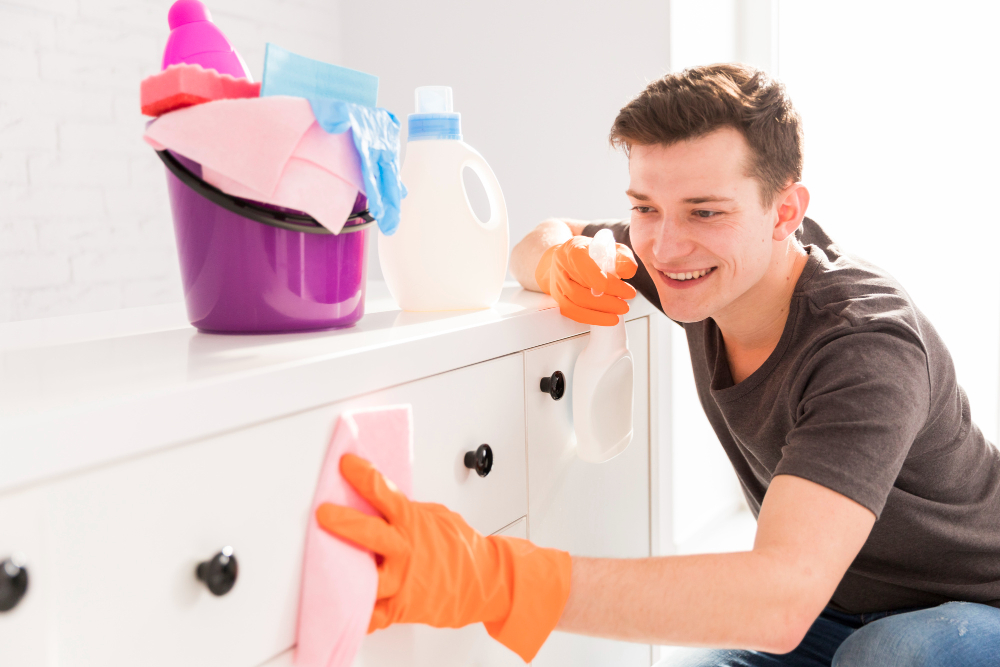
Doing it yourself gives you full control over the process. You can choose your tools, schedule tasks at your convenience, and work at your own pace. Many homeowners find the process satisfying and cost-effective—especially if they already own basic cleaning supplies.
Pros of DIY:
- Cost savings on labor
- Flexibility in timing
- Control over cleaning products (eco-friendly, allergen-free, etc.)
- Opportunity to inspect your home for other issues (e.g., peeling paint, cracks)
Cons of DIY:
- Time-consuming, especially for larger homes
- Physically demanding and potentially dangerous at heights
- Requires access to equipment like ladders, sprayers, or pressure washers
- Mistakes can lead to property damage if the wrong PSI or cleaner is used
Common DIY Tasks:
| Task | Recommended for DIY? | Notes |
| Window cleaning (ground floor) | Yes | Simple with basic tools |
| Light fixture cleaning | Yes | Foam brushes and glass cleaner work well |
| Gutter cleaning | Maybe | Safe with proper ladder use and stabilizers |
| Pressure washing siding | Maybe | Only with proper technique and PSI control |
| Roof cleaning | No | Slippery and height risk—better left to pros |
When to Hire a Professional
Hiring an exterior cleaning service brings in expertise, equipment, and efficiency. Professionals use commercial-grade tools and know how to handle delicate surfaces like stucco or painted wood without causing damage. They can complete a full house wash in a fraction of the time it might take you—and often achieve more polished results.
In Charlotte, most reputable pressure washing companies offer bundled packages for house washing, gutter cleaning, and driveway treatment. Costs typically range from $200 to $650 depending on the scope, number of stories, and square footage.
Advantages of Hiring a Pro:
- Saves time and physical labor
- Professionals are insured and trained for height work
- Access to commercial tools and advanced cleaners
- Specialized care for roofs, stucco, historic homes, etc.
How to Choose the Right Service in Charlotte
Ask neighbors in your area—like Dilworth or NoDa—for recommendations. Look for:
- Proof of insurance
- Local reviews and testimonials
- Before-and-after photos on their website or Google Business profile
- Clearly outlined quotes with no hidden fees
Question-Based Tips
How much does it cost to hire a pro in Charlotte?
Exterior cleaning costs average $300–$400 for a 2,000 sq. ft. home. Gutters, driveways, and roof cleanings may be additional. Rates vary depending on neighborhood and complexity.
Is hiring a pro worth it for a one-story house?
If you have the tools and time, a single-story home is usually manageable for DIY. But if you’re short on time or dealing with mold, it’s often worth paying for expert help.
Can professionals clean delicate or historic exteriors?
Yes. Experienced services use soft washing techniques for older homes or surfaces like stucco, sandstone, or painted trim.
Local Tip for Charlotte Residents Charlotte homes in shaded neighborhoods like Elizabeth or Cotswold are more prone to algae and mildew buildup. Hiring a pro once a year ensures a deep clean, especially for rooftops or brick exteriors.
Whether you choose the hands-on approach or the convenience of expert help, understanding the pros and cons of each can help you make the right choice for your home—and ensure it stays spotless, strong, and stunning throughout the year.
FAQs About Exterior House Cleaning
Exterior house cleaning involves several steps, tools, and decisions—and homeowners in Charlotte, NC, often have many questions. Whether you’re doing it yourself or considering professional help, the answers below cover common concerns and help ensure your home stays clean, protected, and beautiful all year round.
How often should I clean the outside of my house?
In Charlotte’s climate, a full house wash is recommended at least once per year. However, if you live in areas with lots of tree coverage—like Matthews or Huntersville—you may need to clean twice annually due to mold and mildew buildup. Gutters and windows should be cleaned every 4–6 months.
What’s the best time of year to clean my home’s exterior in Charlotte?
Spring and fall are optimal. Spring cleaning helps clear away pollen and mildew after the humid winter, while fall preps your house for cooler weather and removes debris like leaves and moss.
Can pressure washing damage my home?
Yes, if done incorrectly. Using high pressure on delicate surfaces like stucco, old mortar, or painted wood can lead to cracks, water damage, and peeling paint. Always use the correct nozzle, PSI setting, and technique—or hire a professional who understands local materials and weather conditions.
What should I avoid using when cleaning my home’s exterior?
Avoid:
- Harsh chemical cleaners on delicate or painted surfaces
- Bleach on vinyl (can cause fading)
- Acidic cleaners on metal fixtures (especially copper or brass)
- Pressure washers on windows or shingles unless professionally handled
What cleaning solution works best for vinyl siding?
Use a specialized vinyl cleaner like Corte Clean or create a DIY mix of water, vinegar, and a few drops of dish soap. For deeper stains, oxygen bleach-based cleaners are safer alternatives to harsh chemicals.
What is soft washing, and is it available in Charlotte?
Soft washing uses low-pressure water and specialized cleaning solutions to remove mold, algae, and grime. It’s ideal for delicate surfaces like roofs and stucco. Many local professionals in Charlotte—including services in Ballantyne and Myers Park—offer soft washing as part of their cleaning packages.
How much does professional exterior cleaning cost in Charlotte?
Prices vary based on the size and condition of the home. On average:
- House pressure washing: $200–$400
- Gutter cleaning: $100–$160
- Window cleaning: $150–$250 (inside and out)
- Roof soft wash: $250–$650 depending on slope and size
How can I remove mildew from my porch or deck?
Use a deck cleaner with oxygen bleach or products like Wet & Forget. Apply with a sprayer, let it sit, then rinse with a garden hose. Avoid power washing if your deck is painted or sealed.
Can I clean upper-story windows myself?
Yes, using an extendable pole with a microfiber head or hose-end sprayer. However, professionals offer water-fed pole systems that leave a streak-free finish and access hard-to-reach places safely.
Should I clean my house before selling it?
Absolutely. A clean exterior boosts curb appeal and creates a strong first impression. Consider a full pressure wash, window cleaning, and gutter cleaning as part of your home-staging process. It’s especially important in Charlotte’s competitive housing markets like South End or University City.
Local Tip for Charlotte Residents
Look out for seasonal cleaning specials around Earth Day and before summer holidays. Many local services offer discounts for full-home bundles during these times. Check community forums or local Facebook groups for referrals and limited-time offers.
Whether you’re pressure washing a brick exterior or spot-cleaning porch lights, these FAQs are designed to guide you through the process and help you make informed choices for your Charlotte home.